
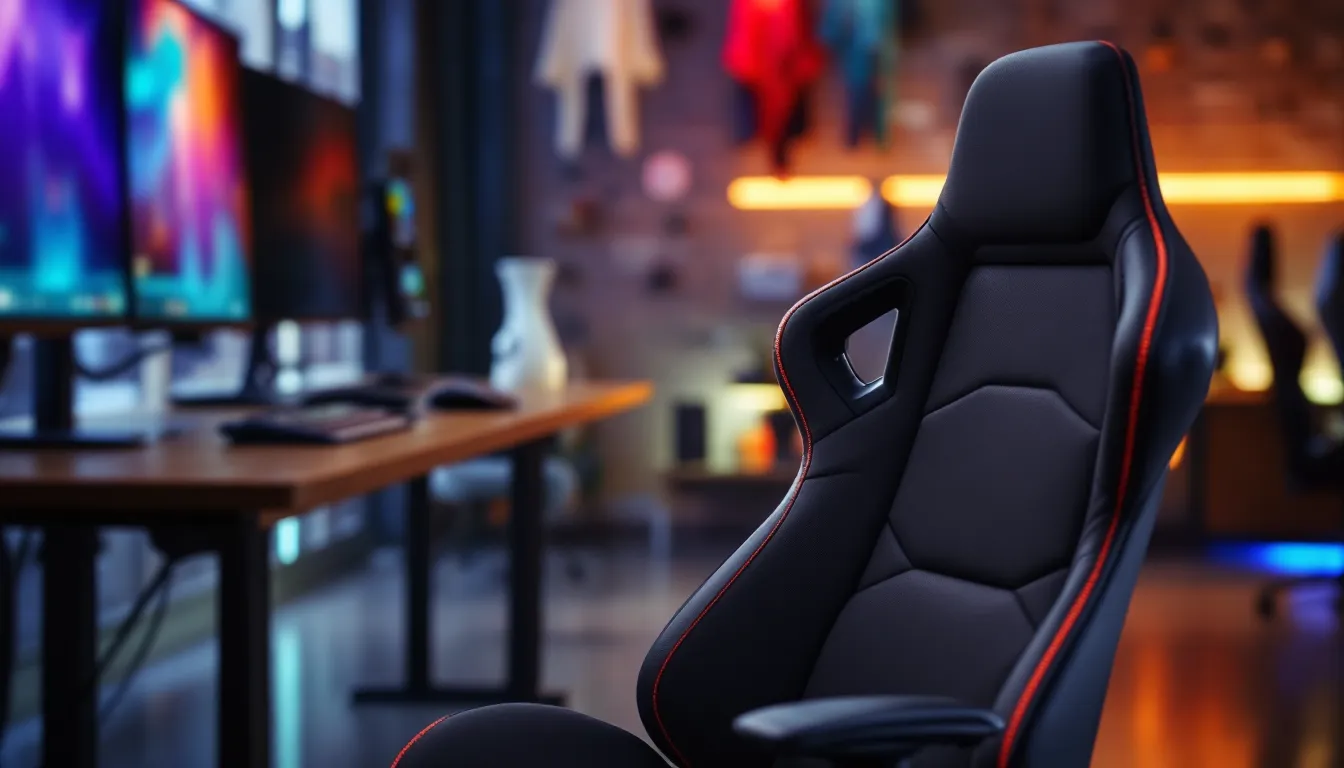

Floor gaming chairs have become the unsung MVP of comfortable gaming setups, especially for players who prefer lounging on the ground, streaming from tight spaces, or simply want a more casual alternative to traditional desk chairs. Whether you’re grinding through a 12-hour gaming marathon, competing in esports, or just kicking back for some casual play, the right floor gaming chair can transform how you game. The market’s packed with options ranging from minimalist padded seats under $50 to premium reclining models north of $300, and not all of them deliver on comfort or durability. This guide cuts through the noise and breaks down exactly what separates a chair that’ll wreck your back after two hours from one that’ll keep you comfortable across marathon sessions.
Key Takeaways
- The best floor gaming chair balances comfort, durability, and portability—padded chairs suit casual gamers, foldable seats work for esports and travel, and premium reclining models justify their cost for marathon 4+ hour sessions.
- Ergonomic features like built-in lumbar support, adjustable backrest angles, and seat depth of 18–22 inches directly impact long-term comfort and prevent back strain during extended gameplay.
- Weight capacity, frame material (steel vs. plastic), and stitching quality determine how long your floor gaming chair lasts—always choose a chair rated 20–30 lbs higher than your body weight for safety.
- The best floor gaming chair value exists in the $80–$150 mid-tier range, offering genuine durability and comfort without overpaying, with a typical lifespan of 3–5 years justifying the investment.
- Prioritize your gaming setup’s actual constraints: measure your space, assess gaming frequency, and choose portability for streamers and travelers or premium features for stationary 4+ hour daily gamers.
- Regular maintenance—monthly fabric cleaning, quarterly frame inspections, and proper storage—keeps your floor gaming chair performing optimally and extends its lifespan significantly.
What Makes a Great Floor Gaming Chair
Comfort and Ergonomic Design
Comfort is non-negotiable. A great floor gaming chair distributes your weight evenly, supports your lower back, and keeps your neck neutral, especially critical if you’re staring at a screen for hours. Look for chairs with lumbar support built into the backrest, not just padding slapped on top. The seat depth matters too: you want enough cushioning that you’re not bottoming out on the frame, but not so soft that you sink and lose support. Padded armrests (if included) should be adjustable or at least positioned where they don’t jam into your ribs when you shift positions.
Ergonomic design means the chair supports multiple positions. Can you recline it? Is there enough height adjustment for different body types? The best floor chairs let you lean back for relaxed play or sit more upright for competitive gaming without requiring you to buy a second chair.
Durability and Build Quality
You’re not just looking for comfort today, you need it to last. Quality materials matter. Check the frame (steel or reinforced plastic), the covering (genuine fabric vs. cheap polyester blends), and the stitching. Weak seams fail fast. If the manufacturer isn’t transparent about materials, that’s a red flag.
Weight capacity is concrete data. If you weigh 200 pounds and the chair maxes out at 150, it’ll fail. Period. Good floor chairs typically handle 250+ pounds, and premium models go higher. The frame should feel solid when you sit, not wobbly or creaky.
Portability and Space Efficiency
Unlike traditional gaming chairs, floor chairs should be genuinely portable. Can you fold it flat for storage? Does it weigh under 15 pounds? Can you move it between rooms without a hernia? This is where foldable designs shine, they collapse for storage and transport, making them perfect for streamers, LAN party attendees, or anyone in a dorm or small apartment.
Space efficiency goes both ways. The chair should fit your actual gaming space without dominating it. A bulky reclining floor chair might look great, but if it eats half your room, it’s useless.
Types of Floor Gaming Chairs
Padded Floor Chairs
Padded floor chairs are the simplest, cheapest option. They’re basically cushioned mats with a backrest, often wrapped in memory foam or polyurethane. You sit directly on the ground or a low platform, leaning against the padded back.
Pros:
- Ultra-affordable ($30–$80 range)
- Lightweight and portable
- Easy to store
- Good for casual gaming or co-op sessions
Cons:
- Minimal lumbar support
- Can feel flat after prolonged use
- Limited recline options
- Not ideal for competitive gaming or long sessions
These work best if you’re young, flexible, or just gaming in short bursts. If you’re over 30 or dealing with any back issues, the lack of support becomes noticeable fast.
Foldable Gaming Seats
Foldable gaming seats add structure without the footprint. They have a frame (usually aluminum or steel), a seat surface, and a backrest that fold together into a compact bundle.
Pros:
- Highly portable for LAN parties or travel
- Better support than padded-only options
- Adjustable back angles on many models
- Quick setup and breakdown
- 5–15 pound weight, so moving them is painless
Cons:
- Less cushioning than larger chairs
- Smaller weight capacity (typically 200–250 lbs)
- Some models feel unstable if you shift aggressively
- Limited adjustability compared to desk chairs
Foldable seats hit the sweet spot for esports players who travel to tournaments or streamers who need flexible setups. They’re noticeably more comfortable than padded chairs and way more practical than stationary reclining models.
Backrest Floor Chairs
These are the premium category: full-featured floor chairs with substantial padding, sturdy frames, and often reclining capability. Some include armrests, side pockets, or adjustable lumbar support.
Pros:
- Heavy-duty construction (often 20+ lbs)
- Excellent lumbar and neck support
- Multiple recline angles (70°–180° range)
- Higher weight capacity (250–300+ lbs)
- Built to last 3–5+ years
- Often include storage pockets or cup holders
Cons:
- Higher price ($150–$300+)
- Less portable due to weight and bulk
- Require more storage space
- Overkill for casual gaming
If you’re gaming 4+ hours daily or streaming regularly, the investment pays off in comfort and durability.
Top Floor Gaming Chair Options for Different Needs
Best Overall Value
When balancing price, comfort, and durability, the Medford Floor Gaming Chair (around $89) emerges as the top pick. It ships with a 6-inch padded backrest, high-density foam that doesn’t flatten after a month, and a steel frame supporting up to 250 pounds. The polyester fabric is durable without feeling cheap, and the angular design works for both upright competitive gaming and reclined casual play.
What makes it stand out: The lumbar support is built into the frame, not just added padding. You get genuine back support without paying $200+. The backrest adjusts to four positions (70°, 90°, 110°, and 135°), and the entire chair folds flat in about ten seconds. For someone wanting a reliable floor chair without overthinking it, this hits the mark.
Best for Long Gaming Sessions
If you’re grinding 6+ hours daily, the Elite Comfort Reclining Floor Chair ($189) is the move. This beast includes 8 inches of high-density memory foam padding, a fully adjustable lumbar support system, and padded armrests that actually stay in place. The backrest reclines fully to 180° (for napping between ranked seasons), and the wider base (29 inches) prevents that tippy feeling some floor chairs suffer from.
The cover is a breathable mesh-fabric blend, which matters when you’re sitting for hours without sweating through the padding. Weight capacity is 280 pounds, and the frame is reinforced steel welded at stress points. Reviews consistently mention comfort lasting 8+ hours without the “numb butt” feeling you get from cheaper options. It’s heavier (~18 lbs) and takes up more space, but for marathon sessions, it’s worth every penny.
Best for Competitive Esports
Competitive gaming demands split-second positioning and stability. The Pro Esports Floor Seat ($119) is engineered for exactly that. It’s lightweight (9 lbs), folds into a compact 24x8x8-inch bundle, and has a rigid frame with zero flex when you shift aggressively. The seat is narrower and more angled than comfort-focused models, keeping you in an active, alert position rather than sinking you into relaxation mode.
The backrest has three fixed positions (90°, 100°, 110°) instead of infinite recline, you pick your competitive angle and lock it. This eliminates the temptation to slouch mid-match. Pros and competitive streamers favor this design because it prioritizes responsiveness over lounging. If you’re grinding ranked matches or training for tournaments, this keeps you locked in.
Best Portable Option
For travel, dorms, or streaming from different locations, the Fold-Flat Gaming Seat ($64) is the lightweight champion. It weighs 6 pounds, folds to 26x8x6 inches (backpack-sized), and has a carry strap. Even though the minimal footprint, it supports 240 pounds and includes an adjustable backrest with two locking angles.
It’s not the most cushioned option, but the support is solid, and it assembles/disassembles in under a minute. LAN tournament players, content creators moving between locations, and anyone without dedicated gaming space should grab this. It’s genuinely portable without feeling flimsy.
Key Features to Compare
Material and Padding Quality
Material quality directly impacts comfort and longevity. Premium floor chairs use high-density foam (2.5+ lbs per cubic foot), which resists flattening. Budget chairs often use low-density foam that compresses after a few months, leaving you sitting on a pancake.
Fabric matters too. Genuine polyester or mesh breathes better than vinyl and resists sweat damage. Check the stitching, double-stitched seams last longer than single-stitched. Memory foam toppers are a nice touch but add cost: standard foam with proper density works fine if the base is solid.
Armrests, if included, should have padding thick enough not to dig into your arms during marathon sessions. Some chairs use wooden armrests (uncomfortable) or thin plastic (worse). Padded, height-adjustable armrests are ideal.
Weight Capacity and Size
Weight capacity is non-negotiable data. Manufacturers publish it because it’s tied to frame strength. If a chair rates 250 lbs and you weigh 240 lbs, you’re at the limit, any movement risks stress on the frame. Always pick a chair rated 20–30 lbs higher than your weight for safety margin.
Size relates to both comfort and space. A wider seat (24+ inches) fits different body types better than narrow designs. Backrest height should reach mid-back minimum: higher is better for neck support. Check the overall footprint when reclined, some chairs expand significantly when tilted back. If you’re in a tight space, measure first and match against the chair’s dimensions. Gaming setup tutorials often include chair measurement guidelines, which can help you visualize fit in your room.
Seat depth (front to back) is overlooked. If it’s too short, your thighs hang off unsupported. Too long, and your knees touch the edge. Ideal depth is 18–22 inches for most people.
How to Choose the Right Floor Gaming Chair for Your Setup
Assessing Your Gaming Space
Start by measuring. How much floor space do you actually have? Foldable chairs are the only smart choice if you’re under 100 square feet. If you have 150+ square feet dedicated to gaming, a larger reclining chair is viable. Factor in where your monitor/TV is, you need clear sightlines, not a chair that blocks your peripheral vision.
Consider how you game. If you move between your couch and floor gaming frequently, a lightweight, foldable option beats a 25-lb reclining beast. If you’re anchored in one spot, a stationary premium chair works.
Think about your gaming setup’s formality. Are you streaming on a desk setup that includes a floor chair for off-hours relaxation? A sleek backrest chair fits better than a casual padded mat. Are you in a dorm with zero furniture? The portable foldable seat is non-negotiable.
Budget Considerations
Floor gaming chairs range from $30 to $300+. Here’s how to think about it:
Under $80: Padded or basic foldable chairs. Fine for casual gaming, testing if floor chairs work for you, or tight budgets. Expect to replace in 1–2 years if used heavily.
$80–$150: Mid-tier foldable and backrest chairs. These are the “cost-per-hour” sweet spot, you’re getting real durability and comfort for the price. Most gamers find this range hits the best balance.
$150+: Premium reclining chairs with advanced features (adjustable lumbar, high-weight capacity, exceptional materials). Worth it if you game 4+ hours daily or are a content creator. Longevity is 3–5+ years.
Think in terms of cost-per-year. A $120 chair lasting three years costs $40/year. A $30 chair lasting six months costs $60/year. The math usually favors mid-tier purchases. Pro player setups typically feature mid-to-premium gear, and chairs are no exception, even esports pros balance cost against durability rather than buying the absolute cheapest option.
Also factor in your gaming frequency. If you play 10+ hours weekly, the ROI on a $150+ chair is obvious. If you play 5 hours weekly, the $80–$120 range usually covers your needs.
Care and Maintenance Tips
Floor gaming chairs are relatively low-maintenance, but a few habits keep them lasting.
Regular cleaning: Vacuum or brush the fabric monthly to prevent dust and debris from grinding into fibers. If spills happen (and they will), dab immediately with a damp cloth, don’t soak it. Use mild soap for stubborn stains, not harsh chemicals that degrade fabric.
Frame inspection: Every three months, check the frame for wobbles, cracks, or loose welds (especially on cheaper models). Tighten bolts if they’ve loosened. Catch small frame issues before they become structural failures.
Padding integrity: If you notice padding compressing unevenly, rotate where you sit on the chair. Over years, high-use spots will compress faster. Some premium chairs include replaceable foam layers, which extends lifespan significantly.
Backrest hinges: If your chair reclines, periodically check hinge tightness. Loose hinges cause uneven support and potential pinching hazards. Most chairs use simple bolts, tightening takes 30 seconds.
Storage: If you’re folding the chair regularly (foldable models), fold and unfold gently. Don’t force the frame. When storing, keep it in a cool, dry place. Heat and humidity degrade fabric and foam faster.
Armrest care: If your chair has padded armrests, they take the most damage from sweat and oils. Wipe them down after long sessions. Replace the cover if it starts tearing or peeling.
Most floor gaming chairs need zero repair if treated decently. The biggest threat is user damage (aggressive folding, overloading weight capacity, ignoring spills). Treat it like a peripheral, good gear needs care, but it’s not complicated. Gaming accessory reviews on technology platforms often include longevity ratings that validate which brands hold up over time.
Conclusion
Choosing the right floor gaming chair comes down to matching your actual gaming habits, space, and budget. Padded chairs work for casual players and tight spaces. Foldable seats excel for esports, travel, and streamers who need flexibility. Premium reclining chairs reward players grinding 4+ hours daily with uncompromised comfort and durability.
The best chair isn’t the most expensive or the cheapest, it’s the one that supports your body, fits your space, and survives years of use. Test the waters with a mid-tier option ($80–$150) if you’re new to floor gaming. If you’re already committed to gaming on the ground, investing in a quality backrest chair pays dividends in comfort and longevity. Your back will thank you, your stream will look more professional, and you’ll actually enjoy those marathon gaming sessions instead of counting the minutes until you can move again.